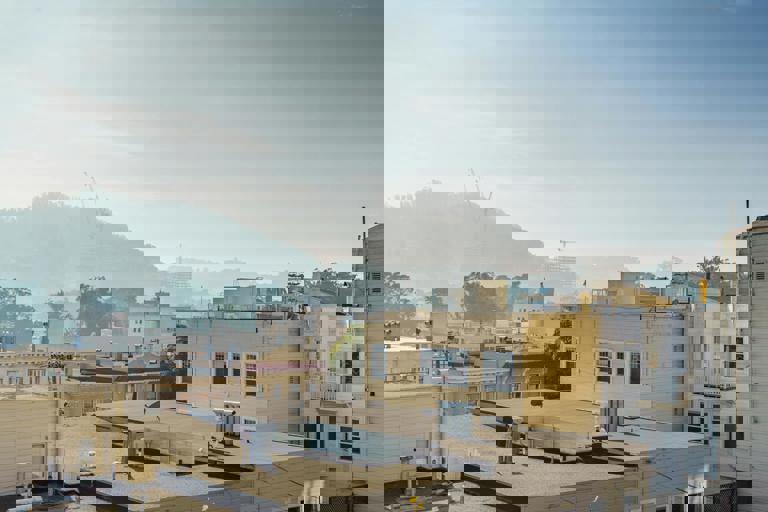
An ambitious new redevelopment project is set to breathe new life into a central urban parking garage, transforming it into a dynamic mixed-use property. The proposed plans aim not only to address the pressing demand for affordable housing but also to create a vibrant hub for commerce and community engagement through the integration of retail stores and green spaces. Stakeholders across the city have expressed optimism about the significant impact this redevelopment could have on the urban landscape.
The aging structure, long criticized for its inefficient use of prime real estate, will be replaced by a multi-story complex featuring modern apartments, street-level shops, and a rooftop park designed for public enjoyment. This move comes as part of a broader effort to repurpose obsolete infrastructure and prioritize sustainable development. City planners highlight this project as a model for future urban revitalization.
The affordable housing component is at the heart of this redevelopment. According to project developers, a substantial portion of the residential units will be designated as below-market-rate rentals, targeting families, seniors, and individuals who have struggled with rising housing costs. Housing advocates have applauded the inclusion of deeply affordable units, noting the persistent shortage of such options in urban centers.
Local business owners are anticipating an economic boost from the influx of residents and shoppers. "The opportunity to serve a growing and diverse clientele is incredibly exciting," said Maria Perez, who operates a café nearby. The integrated retail spaces promise to attract a mix of independent merchants and established brands, creating a lively commercial corridor for the neighborhood and drawing visitors from beyond the area.
Environmental sustainability is a key pillar of the proposed redesign. Architects involved in the project emphasize their intent to achieve high green-building standards, including energy-efficient systems, solar panels, and sustainable building materials. The rooftop park, a highlight of the design, will offer landscaped walking paths, community gardens, and outdoor seating, contributing to improved air quality and urban biodiversity.
Public engagement played a significant role in shaping the final plans. Throughout a series of community consultations, residents voiced their wishes for accessible green spaces, affordable housing, and a balanced approach to new development. City officials say they incorporated feedback by expanding the park’s accessibility features and ensuring that retail spaces are reserved for local businesses, not just large chains.
Transit accessibility is another cornerstone of the strategy, with the property located steps from major bus lines and bike routes. Planners hope that integrating housing and retail next to transit options will reduce car-dependency, decrease congestion, and support eco-friendly commuting. A limited number of underground parking spaces will remain, catering to accessibility needs without prioritizing automobile use.
Financial backing for the redevelopment comes from a collaboration of public agencies, private investors, and nonprofit housing organizations. This diverse funding structure aims to mitigate risk and ensure broad accountability. According to financial analysts familiar with the deal, the partnership model allows for greater flexibility in responding to evolving community needs while maintaining affordability for tenants over the long term.
Critics of the project have raised concerns about possible displacement during construction, as well as changes to the character of the neighborhood. City council representatives have addressed these issues, stating that transition plans include temporary relocation assistance for current parking permit holders and comprehensive impact assessments to preserve community culture.
Construction is expected to begin in the coming months, pending final permit approvals. Developers predict that the completed complex will be ready for occupancy within three years. During this period, project leaders commit to keeping residents informed through updates, public forums, and transparent decision-making processes to maintain trust and engagement with the local community.
Urban planners say the redevelopment signals a broader trend toward reimagining underutilized infrastructure in Canadian cities. "Transforming parking garages into mixed-use spaces helps address multiple urban challenges simultaneously—housing, economic vibrancy, and environmental sustainability," explained Dr. Samuel Lee, an urban development scholar. The anticipated success of this project could inspire similar initiatives elsewhere.
Ultimately, the transformation of this parking garage reflects innovative thinking about urban land use. By integrating affordable housing, commercial amenities, and expansive green spaces, the development encapsulates a holistic approach to city-building. If successful, it could become a blueprint for future projects in other urban centers, balancing growth with social equity and environmental stewardship for years to come.