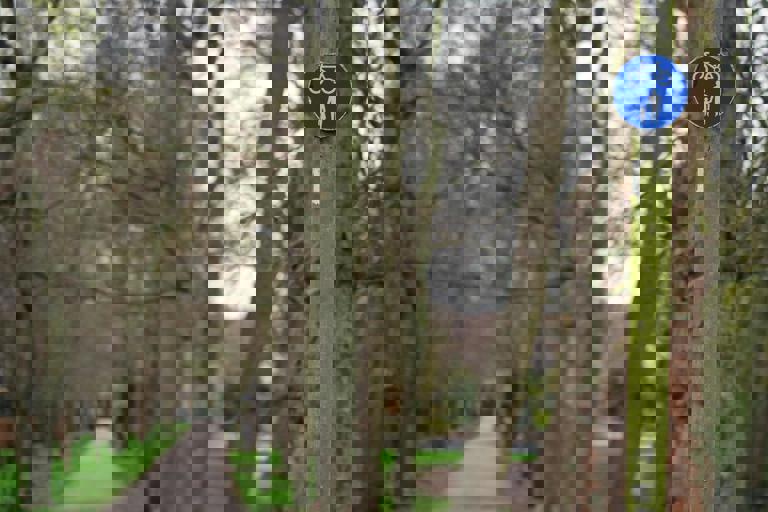
In a landmark urban development project, an abandoned rail corridor has been reimagined as a vibrant community bike highway. This bold transformation is already capturing the attention of residents and city planners alike, as it turns a once-forgotten stretch of land into a lifeline for commuters, recreational cyclists, and families. The new pathway offers a safe alternative to busy city streets, replete with greenery and modern amenities to encourage active transportation.
The project, years in the making, was borne out of community consultations and a growing municipal commitment to sustainable mobility. "Our aim was to create more than just a bike path," explained city spokesperson Laura McIntyre. "We wanted to build a safe corridor that brings people together and reduces car dependency." Initial surveys revealed overwhelming public support, especially among parents seeking safer routes for their children.
Constructed over what was previously a disused set of train tracks, the bike highway stretches several kilometres, connecting residential neighbourhoods, shopping hubs, and parks. The route is designed with wide lanes to accommodate both novice and experienced cyclists, and features gentle gradients to ensure accessibility for all ages. According to the project’s engineers, weather-resistant materials and non-slip surfaces improve user safety year-round.
Environmental considerations were integral to the planning process. Native plants have been used for landscaping, providing habitats for local wildlife and pollinators while enhancing the corridor’s scenic beauty. City officials report a net gain in urban green space as a result of the development. “Transforming brownfield sites into active green corridors is a win for the environment and the community,” noted Alice Tran, an urban ecologist involved in the project.
Beyond aesthetics, the revitalized corridor addresses pressing issues of urban congestion and air quality. Officials anticipate that as more commuters switch to cycling, overall traffic volumes will diminish, helping to reduce city-wide greenhouse gas emissions. Early observational data show a notable uptick in weekday bike traffic, with usage expected to rise as the project becomes more established and integrated into broader transportation networks.
Community groups and advocacy organizations have praised the initiative, emphasizing its benefits for marginalized groups. “Safe, accessible cycling isn’t just a lifestyle choice; it’s an equity issue,” said Daniel Foster, president of the Active Transport Coalition. The project includes features such as accessible entry points, multilingual signage, and public rest areas, ensuring the route serves a wide and diverse population.
Safety enhancements along the route are robust, including improved lighting, clearly marked crossings, and surveillance cameras in higher-traffic zones. Partnerships with local police and cycling organizations have led to safety workshops and helmet giveaway programs. Children and parents, in particular, have expressed relief at being able to bike together without the hazards posed by car traffic on conventional roads.
Economic impacts are also starting to surface, with nearby businesses reporting increased foot and bike traffic. Café owner Mira Patel, whose shop sits adjacent to the corridor, describes a “steady flow of new customers and a renewed sense of community.” Real estate values in proximity to the bike highway have shown early signs of appreciation, as such public amenities often enhance neighbourhood desirability and cohesion.
As the city celebrates the opening of the new community bike highway, urban planners are already looking at possibilities for further expansion and integration with public transit. Surveys will monitor usage patterns, community feedback, and potential bottlenecks, ensuring continual improvements. If initial enthusiasm and growing ridership are any indication, this rail-to-bike transformation offers an inspiring model for sustainable urban redevelopment throughout the country.